
College and Job Acquisition Tips
- Brenna Kelly
- Sep 25, 2020
- 9 min read
from a semi-recent grad after three months of job searching during a pandemic.
Finding a job isn’t easy. Finding a job as a recent college grad during a global pandemic seems nearly impossible. There are so many people looking for employment opportunities right now and employers have either imposed a hiring freeze or are just coming out of one. Many jobs look drastically different or are no longer available because of the pandemic; so it’s true that the job landscape looks a lot different now.
If you are currently in college: here are a few tips that will make your post-college job search easier:
1) Complete as many career-focused paid internships as possible
I had to work 30-45 hours a week during my entire college career to pay for school. There are many opportunities for students to gain work experience in their fields while getting paid. I, unfortunately, was not aware of these opportunities and instead, held various jobs in the retail industry to get by. Be more strategic about how you are earning money.
Where do you find these internships? A quick google search will do, but also check out governmentjobs.com for city, state, and federal opportunities that pay more. (Search “internship” or “student” for best results.)
2) Nail down your budgeting skills
Do not overestimate the power in learning how to manage your money. Make a budget, follow it, and set financial goals for yourself to help keep you on track. Please believe me when I say that I never would have been able to survive post-college life if I hadn’t been so money and budget-conscious during college.
If you don’t know where to start, the first step is to write down all of your monthly expenses (rent, food, transportation, etc.) and how much you typically spend in each category. One of the most important things to factor into this process is saving. If you are new to saving, start small, maybe $40 a month. Do not touch this money under any circumstances, except for a financial emergency. The point is to build a financial cushion for yourself over time so that you can be more flexible with the opportunities you take after college.
Then, test your budget for a month or two to make sure it is realistic and keep track of how much you’re spending on what. Adjust as needed and be mindful of the situational spending you do that is unnecessary. For example: do you spend money buying food on campus when you could have brought a more cost-effective lunch from home?
Lastly, take the time to think about some financial goals for yourself to help you stay budget focused. What are you working towards? For example, right now my major financial goal is saving for graduate school. I created a financial plan for myself that includes $10k in the bank before entering a master's in social work program. If you’re new to financial goal setting, a good place to start is working towards having $1,000 in savings in case of a financial emergency. The most important thing I can stress about budgeting is that saving is essential (no matter how little you start with each month); so find a process that works for you.
3) Form a professional relationship with one or two of your professors and keep in contact with them
This is another mistake I made in college. I sat in the back, did not often communicate much with my professors, and only went to class out of absolute necessity so that I could maximize the number of hours I could work. Do not do this. I worked hard and graduated from college with a 3.5 GPA, but not one professor knew me well enough to write me a letter of recommendation. This hurt me while I was considering my post-college opportunities. Attend office hours and ask questions during class. Try to take the same professor multiple times. When you are no longer in their class, email them once or twice throughout the year to maintain that relationship. I promise you that your professors are nicer, more accommodating, and ready to help more than you think.
If you are graduating soon or you just graduated - congratulations! Especially during this pandemic, recognize how amazing and resilient you are. Do not get discouraged by the current job climate. Having just successfully completed a job search, below are some tips to help you navigate this incredibly exciting, but new (and scary) transition, into the “working world."
1) Look at fellowships and programs geared towards recent grads
Fellowships are usually 1-2 year paid opportunities for individuals in different stages of their careers. There are many for young graduates just starting out. The application process is often extensive, but do not underestimate the value these opportunities can provide you professionally.
A program that I have found to be invaluable in my professional experience after college is the AmeriCorps VISTA program. There are many benefits to the program, but one of the most attractive things about it for me was the $6,000 education award that accompanies one year of service in the program. When I graduated college, I was $25,000 in debt, with limited career-focused experience and two bachelors' degrees in untraditional fields. After two years of service in the program, one in a leadership role, I earned $12,000 to pay down my student loans and gained experience that helped me land a job as a housing specialist in a very large behavioral health nonprofit (during the pandemic).
Now, two years out of college, I can truly begin my career in the social service sector without the burden of student loan payments for the foreseeable future. The VISTA program pays very modestly, but if you are budget conscious and have a small sum in savings for financial emergencies (in case your car breaks down or your insurance company doesn’t cover a medical bill) you can make it work. Also, you can put your student loans in forbearance or apply for an income-based repayment plan during this time. There are opportunities in a wide variety of fields, including STEM, social service and leadership. Do not underestimate the value of this program. I gained experience that I never would have found in an entry-level position. Plus, AmeriCorps experience looks excellent on a resume and gives you tons of things to talk about in an interview.
2) Become an expert in cover letter writing and be willing to devote ample time to developing them
I started seriously looking for a job at the end of June 2020 in anticipation of my second year of AmeriCorps service ending at the end of September. It was during the second week of September when I actually received and accepted a job offer. During this period of nearly three months, I probably wrote and revised at least 30 one-page cover letters. This was in addition to the government jobs I was applying to that had their own extensive application requirements. In the beginning, it took me a lot of time to draft letters from scratch. It did become easier to revise previous letters to fit certain employment opportunities as time went on, but in the beginning, I spent at least 15 hours a week writing and re-writing.
The reason why these letters take so much time is that they must be well written, personal, and convey your interest in the position. This will help you stand out from other candidates. There is a generic format to follow that gives you guidelines on how to frame the content of the letter, but what you write and how you express yourself should contain some personal details that make you stand out. Remember: the point of a cover letter is to get your foot in the door (an interview), so you want to present your interest in the position and your relevant experience in a way that is exciting to employers.
The general format that I follow in cover letter writing is as follows:
(Your Name)
(City, State)
(Phone Number)
(Email)
(Employer Name) *If you don’t know just write “Hiring Manager”
(Organization Name)
(Organization Location City, State)
Dear Hiring Manager,
(Paragraph 1) “I heard about this position/ organization from (job search website, organization website, word of mouth, etc.) and I was excited because ______. I am inspired by your mission of __________ and I would be an excellent candidate for this position because _________.”
(Paragraph 2)* Explain the qualifications that you have that make you a good candidate. Look at the job description that is posted and frame your experience around the qualities they are looking for. For example, if they say the position requires someone who is detail-oriented, explain how your previous experience reflects that.
*This section may be 1 or 2 paragraphs depending on the nature of your experience.
(Paragraph 3) “Thank you for your time in reviewing my cover letter and resume. I would love to set up an interview with you as soon as possible to further illustrate my passion and qualifications for this position.”
Sincerely,
(Your Name)
The hard part is navigating the above template in an original way every time. Below are some suggestions on how to do that:
(Paragraph 1) Why this organization/ company? (Do you identify with their mission? Are you familiar with a recent project they did that moved you or sparked your interest in some way? Is the work very similar to something you have done in the past? Do you have some sort of personal connection to this specific work/ company?) Convey your excitement for the job listing clearly and state why. Remember, they read dozens of cover letters for one position, so the goal is to stand out from the beginning.
(Paragraph 2) Highlight all of the skills and competencies they are looking for in the job description with specific experience to back it up. If they list a qualification or skill that you do not have direct experience in, talk about what skills you have developed educationally or professionally that speak to your ability to execute the skill. Discuss why your previous educational or professional experience makes you not only excited about the position but also about working at the organization with the ability and motivation to excel.
(Paragraph 3) Convey politeness and interest eloquently and close the letter expressing your eagerness for an interview.
Check for spelling, grammar, and punctuation errors. Re-read the letter out loud to yourself to ensure it flows well. With so many applications to review, it is too easy for employers to disqualify a candidate based on these technical errors. Don’t let someone dismiss your qualifications and abilities because you didn't proof-read your cover letter.
3) Hone your interview skills and think of every interview opportunity as a chance to work at your dream job
I’ve had a lot of interviews during the past few months and let me tell you: employers want someone who is out of their mind stoked at the chance of working for them. I have made some mistakes in interviews by expressing my general interest in the work being done but failed to express why I was so excited to do the job with that particular population, and/or with that company/organization. It’s not enough to go into an interview with the “I just want a job in my field” mindset. Research the organization or company prior to your interview. Look at their website, social media, and LinkedIn (if they have one). Be familiar with their mission, current projects, initiatives, and/or any recent accomplishments. Lastly, make sure you present yourself in a way that is professional and personable. Dress well, look people in the eye and nod your head when they are talking to show you are listening. Ask questions to show your interest, smile, address people by their name when possible, and always thank them for their time. After the interview, follow up with a personal note or email reiterating your interest and thanking them again for the opportunity and their time. If you ultimately are not selected for the position, ask if they will give you feedback on how to do better in your next interview if possible.
Lastly, I just want to say that juggling a full-time college schedule and looking for a job out of college during a time where you are coming of age, navigating adulthood, and trying to survive financially, mentally, and socially is incredibly hard.
If you are a current college student, please do not give up. Please look at school not only as a current priority but as the only way to pave a brighter future for yourself. This may sound dramatic, but you must look at your education as a necessity in the same way you look at housing and feeding yourself. This mindset is the only thing that got me through college and trust me, I spent many nights agonizing whether I had the ability or agency to succeed. For those times where you are struggling to find the value of education, let me remind you of some of the benefits. The Bureau of Labor Statistics reports that people with some form of higher education earn more money and have a lower probability of unemployment. Studies show that people with degrees live happier and healthier lives. A 2016 study found that about 94% of U.S. leaders attended college. During this pandemic, it is the workers without higher education that are suffering the most. Do not give up. You have the ability to make it through and you will.
If you are a recent grad attempting to navigate the current workforce, you will find a job! It’s easy to get discouraged, but keep in mind that the hiring process right now is slow. Apply to positions at large companies, hospitals, universities, community colleges, and government agencies three months in advance. The hiring process for these jobs is lengthy; often requiring multiple interviews and an extensive on-boarding process. Be more flexible with the type of jobs you are pursuing right now. Skills are transferable and the potential to work your way up in an organization or company is incredibly valuable. If you interview for a position and are not offered the job, take a deep breath, remind yourself that you have no idea what qualifications the other candidates had, and prepare yourself to pursue other opportunities. Do not get discouraged and see every opportunity as a way to grow and learn.
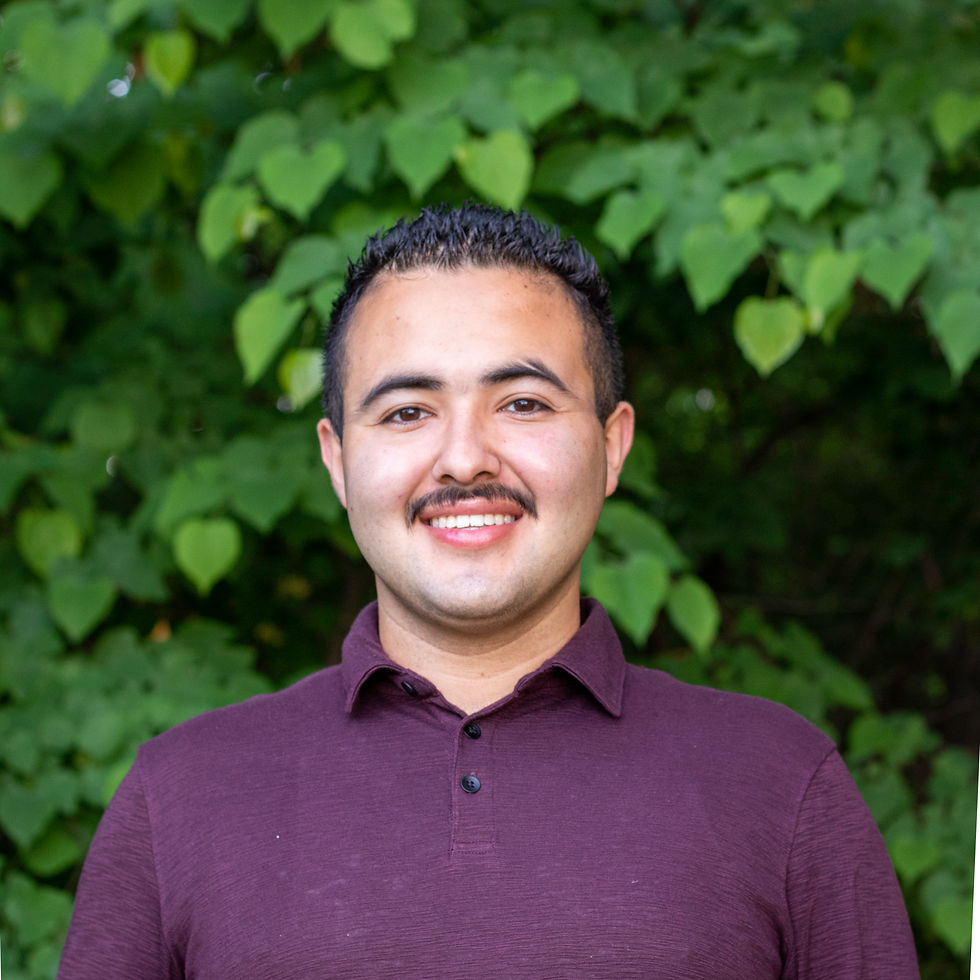
About the author: Brenna Kelly graduated from California State University Northridge in May 2018 with a bachelors' degrees in Deaf Studies and Religious Studies. After college, she served two years in the AmeriCorps VISTA program (one at All Ways Up) before moving on to a job as a housing specialist at a large behavioral health nonprofit. She is a Long Beach, CA native and hopes to pursue a graduate degree in social work in the future.


Comments